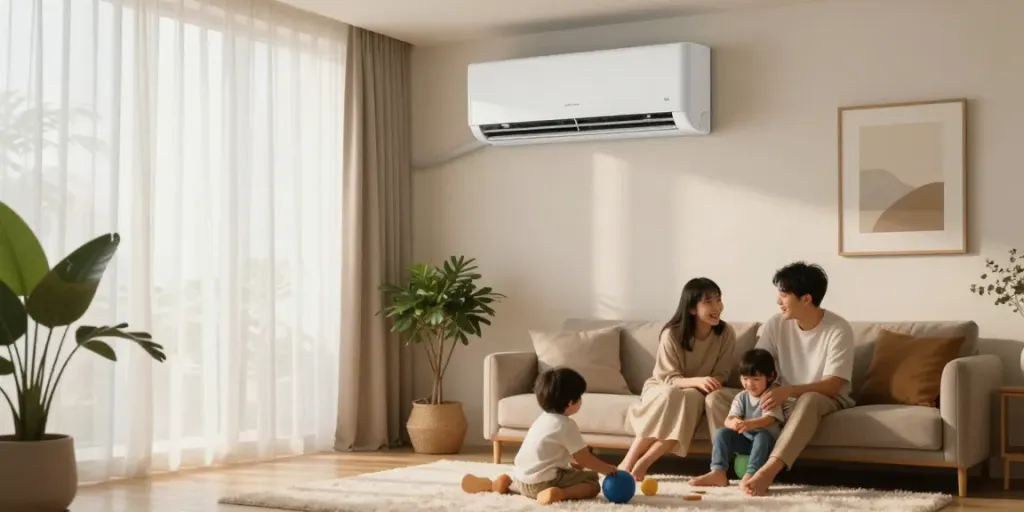
Understanding Split AC Units: The Basics
In today's climate, the choice of air conditioning systems can significantly impact comfort and energy efficiency in both residential and commercial spaces. Among the many options available, the split ac unit has emerged as a favorite for many homeowners and business owners alike. Unlike traditional central air systems, mini-split units are compact, energy-efficient, and versatile, making them ideal for a variety of applications. This article explores the essentials of split AC units, including their functionality, benefits, and considerations for selection, installation, and maintenance.
What is a Split AC Unit?
A split air conditioning unit, commonly referred to as a mini-split, is a modern HVAC system that features two primary components: an outdoor compressor and an indoor air-handling unit. This design allows the system to deliver cool or heated air directly into specific rooms without the need for ductwork. Mini-splits are ideal for both new constructions and retrofitting older buildings where duct installation may be impractical or costly. Thanks to their slim profile and minimal space requirements, they can be seamlessly integrated into various interior settings.
How Does a Split AC Unit Work?
Understanding the operational mechanics of a split AC unit can help potential buyers appreciate its efficiency and effectiveness. The indoor unit contains an evaporator coil and a fan, which circulates air within the room. The outdoor unit houses the compressor and condenser, which work together to remove heat from the indoor environment. Refrigerant, the fluid responsible for heat transfer, circulates between these units to absorb heat indoors and release it outdoors. This cycle is controlled by a thermostat, which allows users to maintain their desired temperature.
Benefits of Split AC Units Over Traditional Systems
- Energy Efficiency: Mini-split systems often have higher energy efficiency ratings compared to traditional AC units and can significantly reduce electricity bills.
- Zone Control: Users can heat or cool individual rooms or zones, providing tailored comfort solutions for different spaces.
- Easy Installation: The lack of ductwork makes installation simpler and less intrusive, often requiring only a small hole for the refrigerant line.
- Quiet Operation: Unlike window units, which can be noisy, mini-splits operate quietly, enhancing user comfort.
- Versatility: Many models provide both cooling and heating, making them suitable for year-round climate control.
Factors to Consider When Choosing a Split AC Unit
Choosing the right split AC unit involves understanding a few key factors that can influence performance and satisfaction. When assessing these units, it's crucial to evaluate their energy efficiency ratings, appropriate BTU capacity, and installation requirements to ensure optimal use in your specific environment.
Energy Efficiency Ratings and Costs
Energy efficiency is a critical factor when selecting a split AC unit. Look for models with high SEER (Seasonal Energy Efficiency Ratio) ratings, as they indicate better efficiency and potential cost savings over time. While higher efficiency systems may come with a larger initial investment, the long-term savings on energy bills can justify the expense. Additionally, understanding the cost of operation and maintenance will help in assessing overall affordability.
BTU Requirements for Different Room Sizes
BTU (British Thermal Unit) ratings determine a unit's cooling capacity, with higher BTUs suitable for larger spaces. To choose the right split AC unit, measure your room’s square footage and consult BTU requirement charts. As a general rule, a unit with around 5,000 to 6,000 BTUs is suitable for rooms up to 200 square feet, while spaces exceeding 1,000 square feet may need units with 20,000 BTUs or more.
Installation Considerations for Split AC Units
Installation is another essential factor when selecting a mini-split system. Some homeowners opt for professional installation to ensure optimal performance, while others consider DIY options. Regardless of the method chosen, ensure that the installation complies with local building codes and that the outdoor unit has adequate airflow and clearance for efficient operation.
Common Misconceptions About Split AC Units
Despite their growing popularity, many misconceptions persist regarding split AC units. Addressing these misconceptions can help consumers make informed decisions when selecting an HVAC system.
Do Split AC Units Use More Energy?
One common belief is that split AC units consume more energy than traditional systems. In reality, they are often more energy-efficient, delivering better cooling performance per unit of energy consumed. Their ability to operate in different zones further reduces energy waste, as you can cool only the spaces in use.
Are Split AC Units Noisier Than Central Systems?
Another misconception is that split AC units are noisier than central air systems. However, mini-splits operate quietly with most modern units producing noise levels below 30 decibels, which is comparable to a whisper. The outdoor unit is typically the loudest component, and its placement can be strategically chosen to minimize noise concerns.
Can Split AC Units Provide Heating in Winter?
Another frequent query is whether split AC units can heat a space during colder months. Many models, particularly those equipped with heat pump technology, can efficiently provide heating as well as cooling. This dual functionality makes mini-splits an attractive option for year-round climate control.
Best Practices for Maintaining Your Split AC Unit
Proper maintenance is crucial in extending the lifespan and efficiency of your split AC unit. Implementing best practices can prevent costly repairs and ensure your system operates at peak performance.
Regular Maintenance Tips for Longevity
To keep your split AC unit in optimal condition, schedule regular maintenance that includes cleaning or replacing filters, checking refrigerant levels, and ensuring that the outdoor unit is free from debris. Seasonal maintenance checks can also identify potential issues before they worsen.
Signs Your Split AC Unit Needs Repair
Be attentive to any changes in performance, such as inconsistent cooling or increased energy consumption. Unusual noises, such as rattling or buzzing, can also indicate that your unit requires an inspection. Prompt attention to these signs can prevent more significant damage and costly repairs.
Seasonal Preparation for Optimal Performance
As seasons change, ensure that your split AC unit is prepared to perform under different climatic conditions. For example, during the cooling season, check that the refrigerant level is adequate, while preparing it for winter may involve running a heating cycle to ensure function. Proper winterization can also prevent ice build-up on the outdoor unit, which could lead to malfunctions.
Future Trends in Split AC Technology
As technology evolves, split AC units are set to incorporate innovative features designed to improve efficiency and user experience. Keeping abreast of these future trends can help consumers make informed decisions when upgrading or purchasing a new system.
Innovative Features to Look for in 2026
With advancements in smart technology, many modern split AC units are now equipped with Wi-Fi capabilities, allowing users to control their systems remotely through apps. Look for features such as programmable timers, energy monitoring, and integration with home automation systems to enhance convenience and efficiency.
The Role of Smart Technology in HVAC Systems
Smart technology is increasingly important in HVAC systems, including mini-splits. Features such as self-diagnostic capabilities can alert users to issues before they escalate, while advanced sensors can optimize energy usage based on occupancy. These innovations not only enhance comfort but also contribute to sustainability by reducing energy consumption.
Environmental Considerations and Eco-Friendly Options
As environmental concerns continue to grow, manufacturers are increasingly focusing on creating eco-friendly split AC units. Look for systems that utilize refrigerants with low global warming potential and boast high energy efficiency ratings. Investing in such systems not only benefits the environment but can also qualify for rebates and incentives.
What Are the Long-term Costs of a Split AC Unit?
While the upfront cost of purchasing a split AC unit can be significant, it’s important to consider the long-term costs associated with energy consumption, maintenance, and potential repairs. However, the energy savings and reduced maintenance costs often associated with these units make them a cost-effective choice over time.
How to Install a Split AC Unit Properly?
Proper installation is crucial to the efficiency and longevity of your split AC unit. Hiring a professional is advisable to ensure that the system is set up correctly. However, if opting for a DIY approach, carefully follow the manufacturer's instructions, paying close attention to refrigerant line placement and electrical connections.
What Are the Best Brands for Split AC Units?
When choosing a split AC unit, consider reputable brands known for reliability and customer satisfaction, such as Mitsubishi, Daikin, and LG. Checking customer reviews and ratings can also provide insight into the performance and longevity of specific models.
How Do You Choose the Right Size for Your Split AC?
Choosing the correct size for your split AC unit is essential for efficient operation. Consult with HVAC professionals or use online BTU calculators, taking into account factors such as room size, ceiling height, and insulation quality to ensure you select a model that will effectively cool or heat your space.
Are Split AC Units Suitable for All Climates?
Split AC units are versatile and can function effectively in various climates, though performance may vary by model. In colder regions, it's crucial to select units specifically designed to heat efficiently, while in hotter areas, emphasis should be on cooling capabilities. Always consult with HVAC professionals when considering a mini-split system for extreme climates.
What Features Should You Expect from a Modern Split AC?
Modern split AC units come equipped with numerous features that enhance usability and efficiency. Look for units with multi-zone capabilities for controlling temperature in different rooms, remote access, and advanced filtration systems that improve indoor air quality. Additionally, quieter operation and energy-saving modes are essential features that contribute to user satisfaction.